
Opublikowano dnia : 12.12.2025
Dostęp do tego artykułu jest płatny.
Dostęp do tego artykułu jest płatny.
Zapraszamy do zakupu!
Cena: 24.00 PLN (z VAT)
Kup artykuł
Po dokonaniu zakupu artykuł w postaci pliku PDF prześlemy bezpośrednio pod twój adres e-mail.
The Digital Patient Avatar – Technologies Transforming Prosthodontics
Aleksander Malinowski
Abstract
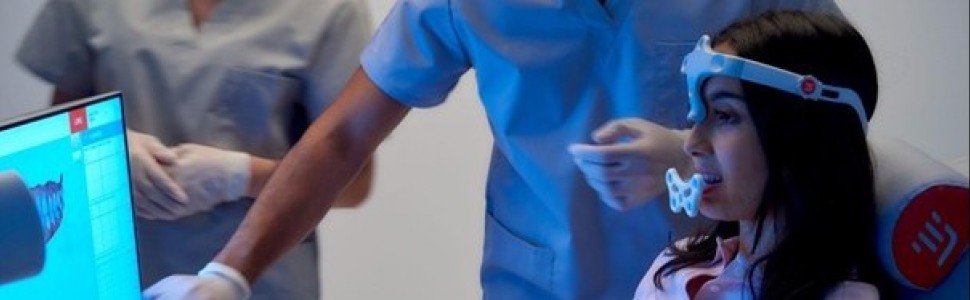
Contemporary digital prosthodontics is moving toward the integration of diagnostic data from multiple sources, creating a dynamic model—the digital patient avatar. This model enables treatment planning based on esthetics, function, and individual biomechanics. The key tools include: intraoral scanner, 3D facial scanner, CBCT, jaw motion recording systems, digital occlusal analysis, and esthetic visualization software. Their integration facilitates a shift from intuition-based methods toward data-driven analysis, improving treatment predictability and safety. These technologies do not replace clinical expertise; on the contrary, they require the clinician to interpret and correlate digital information with the patient’s clinical examination. The article discusses the practical applications of these technologies and highlights a current gap—the absence of an integrated viewer that would allow comprehensive functional-esthetic analysis within a single environment. The digital patient avatar represents a new standard of practice, shifting the focus toward collaborative, data-driven interaction among the clinician, dental technician, and patient.
Contemporary digital prosthodontics is moving toward the integration of diagnostic data from multiple sources, creating a dynamic model—the digital patient avatar. This model enables treatment planning based on esthetics, function, and individual biomechanics. The key tools include: intraoral scanner, 3D facial scanner, CBCT, jaw motion recording systems, digital occlusal analysis, and esthetic visualization software. Their integration facilitates a shift from intuition-based methods toward data-driven analysis, improving treatment predictability and safety. These technologies do not replace clinical expertise; on the contrary, they require the clinician to interpret and correlate digital information with the patient’s clinical examination. The article discusses the practical applications of these technologies and highlights a current gap—the absence of an integrated viewer that would allow comprehensive functional-esthetic analysis within a single environment. The digital patient avatar represents a new standard of practice, shifting the focus toward collaborative, data-driven interaction among the clinician, dental technician, and patient.
Keywords
Digital prosthodontics, digital patient avatar, intraoral scanner, CBCT, 3D facial scanner, jaw motion recording, digital occlusal analysis, treatment planning, occlusion, esthetics.